VidVid creation guide
AI Video Model Comparison Guide
Compare VidVid video models by ads, image-to-video, audio, long clips, social hooks and reference fidelity before rendering final assets.
By VidVid · Updated
Key strengths
- Multiple video models in one studio
- Text-to-video and image-to-video workflows
- Model comparison pages with real VidVid samples
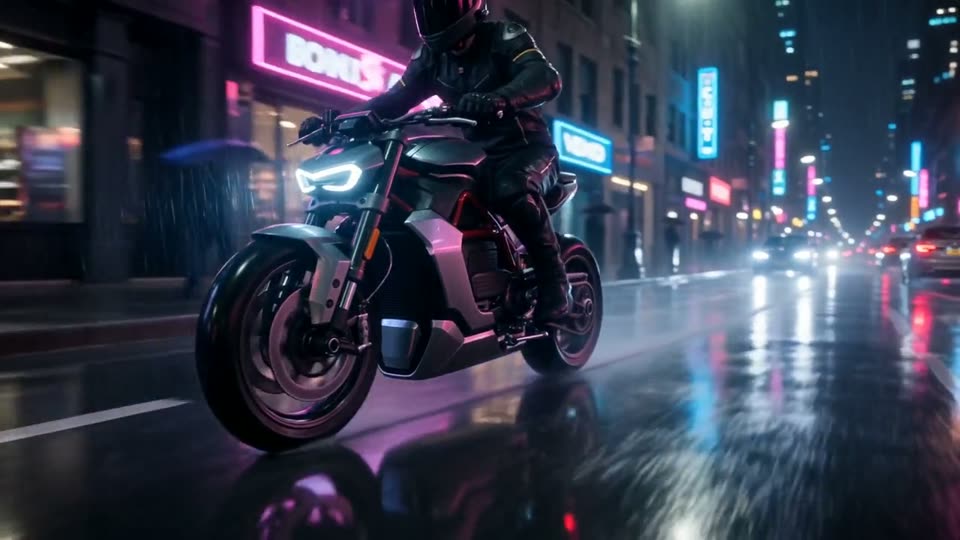
Image illustrates a VidVid workflow and is not presented as a controlled model benchmark.
Production use cases
Step-by-step workflow
- Choose a model and workflow for the asset goal.
- Generate a test with a focused prompt and the shortest supported duration.
- Review the subject, camera and any required text or audio; revise one issue at a time.
- After approving the direction, choose final duration and resolution from the supported options.
Start from one measurable outcome
Define whether the clip needs clicks, product clarity, reference fidelity, a cinematic mood or a reusable social format before choosing the model.
Use short tests before long renders
Generate drafts using the shortest duration supported by the model. Once the subject, camera and lighting are stable, increase duration or resolution for the final asset.
Keep the prompt directional
Lead with subject, motion, camera, lighting, format and any audio requirements. Avoid asking the model to solve too many scene changes at once.
Pre-generation checklist
Goal
Is this clip for clicks, product clarity, visual exploration or a social hook?
Inputs
Do you need to preserve a face, product photo, logo, packaging text or first frame?
Camera
Specify push-in, orbit, handheld, locked-off or transition behavior, not just mood words.
Output
Choose 9:16, 16:9 or 1:1 before setting duration and resolution.
Prompts you can use
A clean product reveal, slow macro push-in, realistic reflections, studio black background, premium commercial lighting.
A vertical social video hook, energetic camera move, clear subject in the first second, bright product color accents.
Animate the uploaded campaign image with subtle parallax, natural fabric motion, no change to the face or product shape.
A VIDVID creator ad: phone screen shows a finished AI clip, camera pulls back to a compact desk studio, soft key light, natural room ambience.
A cinematic app promo: cursor selects a video model, preview renders into a neon city clip, smooth UI-to-video transition, no extra platform references.
FAQ
Is AI Video Model Comparison Guide beginner-friendly?
Yes. Start with the shortest duration supported by the model to validate subject, camera and lighting before increasing duration or resolution.
How long should the prompt be?
Write the subject, motion, camera, lighting, format and sound requirements clearly. Avoid packing too many scene changes into one prompt.
When should I use image-to-video?
Use image-to-video when you already have a product photo, portrait, poster or first frame. Focus the prompt on motion and camera while preserving the subject.
How do I reduce iteration cost?
Use short, lower-resolution tests for A/B comparison, then render the final version after the model, composition and rhythm are stable.